
Shopping in Kampala: Markets, Malls, Crafts and Souvenirs
 By Axel Donovan
| Update on: Aug 23, 2026
By Axel Donovan
| Update on: Aug 23, 2026
Kampala offers a mix of traditional markets, craft centres, supermarkets, and modern shopping malls. Visitors can shop for Ugandan coffee, textiles, handmade crafts, everyday goods, and international brands. This guide covers where to shop, what to look for, and practical tips for visiting Kampala’s markets and malls.
One of the reasons travelers enjoy shopping in Kampala is the variety available within a relatively compact city. You can spend the morning wandering through a traditional market filled with handmade crafts and fresh produce before relaxing in a modern shopping center with cafés, restaurants, and international stores. This balance between tradition and convenience makes Kampala an attractive destination for tourists with different budgets and interests. Whether you are a bargain hunter or prefer fixed prices, you will find plenty of options that match your travel style.
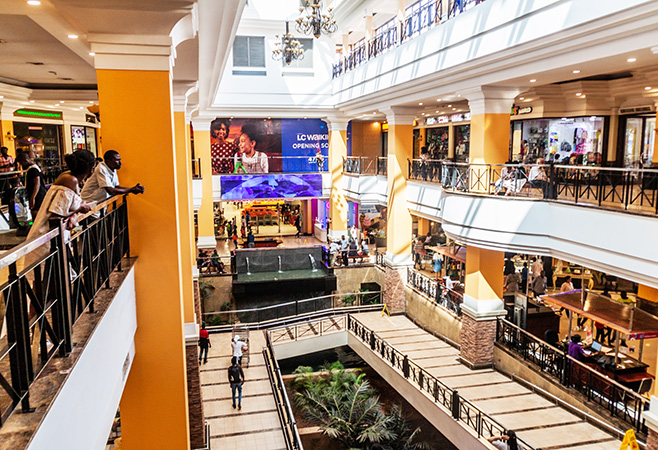 Acacia Mall in Kampala, Uganda
- Why Shop in Kampala?
- Explore Kampala's Traditional Markets
- Best Places to Buy Authentic Souvenirs
- What Should You Buy in Kampala?
- Discover Kampala's Modern Shopping Malls
- Local Markets or Shopping Malls: Which Is Better?
- Practical Shopping Tips
- Market Prices and Payment Tips
- Plan Ahead for a Smooth Uganda Journey
- FAQs About Shopping in Kampala
- Final Thoughts
Why Shop in Kampala?
Kampala’s shopping options range from everyday local markets to dedicated craft centres and modern malls. For travelers interested in locally made products, established craft organizations and artisan markets can be useful places to look for textiles, baskets, carvings, jewellery, and other handmade goods.
Shopping in Kampala is also a winner in affordability. Kampala places a high value on handmade goods, clothing, coffee, artwork, and textiles compared with many other African capitals. Tourists often find that they can buy good quality products for reasonable prices, especially in the local markets where bargaining is part of the experience. Often, the most memorable part of a trip is the friendly banter with the vendors who can give you a glimpse of Ugandan culture you won’t find in any guidebook.
Explore Kampala's Traditional Markets
Traditional markets are the heart of Kampala's shopping scene. They are energetic, colorful, and filled with thousands of products that appeal to both locals and visitors.
Owino (St. Balikuddembe) Market
Owino Market is one of the most popular shopping destinations in the city. It is huge and full of stalls selling clothes, shoes, bags, electronics, fabrics, household items, and accessories. It is especially famous for affordable second-hand fashion and everyday essentials.
Owino, also known as St. Balikuddembe Market, is a large central market selling clothing, footwear, fabrics, household goods, and many other everyday products. The environment can be crowded, so visitors should keep valuables secure and visit with a clear plan. For travelers looking for an authentic experience, shopping in Kampala would not be complete without a visit to Owino Market.
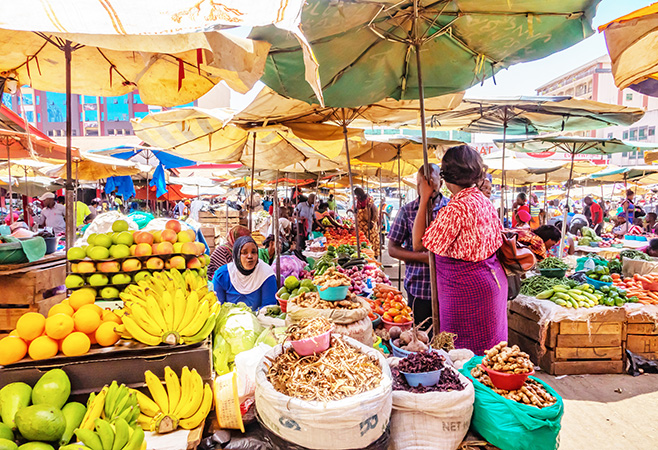 Busy African market. Owino Market in Kampala, Uganda
Nakasero Market
Nakasero Market, close to central Kampala, is known for produce, spices, herbs, and other food products. Travelers buying coffee, spices, or packaged foods should check product packaging and the customs rules of their destination before taking them home.
Many tourists come to Nakasero to shop for high-quality Ugandan coffee beans, dried vanilla, natural honey, and tropical fruits. These products are easy to carry home and represent some of Uganda's finest agricultural specialties.
Wandegeya Market
Near Makerere University, Wandegeya Market serves students and local residents with affordable food, clothing, and household items. Although smaller than Owino, it offers a genuine neighborhood atmosphere where visitors can observe daily life while discovering inexpensive local products.
Best Places to Buy Authentic Souvenirs
The Uganda Arts and Crafts Village, behind the Uganda National Theatre on De Winton Street, is one of the city’s established craft-shopping locations. Its stalls sell handmade jewellery, textiles, carvings, paintings, leather goods, and other Ugandan crafts.
Each handcrafted piece embodies the artistic traditions and cultural heritage of Uganda. These items are often made by talented artisans, have original designs, and are not mass-produced souvenirs. Purchasing them directly benefits local communities and helps preserve traditional craftsmanship.
Independent craft boutiques throughout Kampala also showcase contemporary designs inspired by Ugandan culture. Travelers looking for distinctive gifts should take time to compare different shops, as each artisan specializes in different materials and techniques.
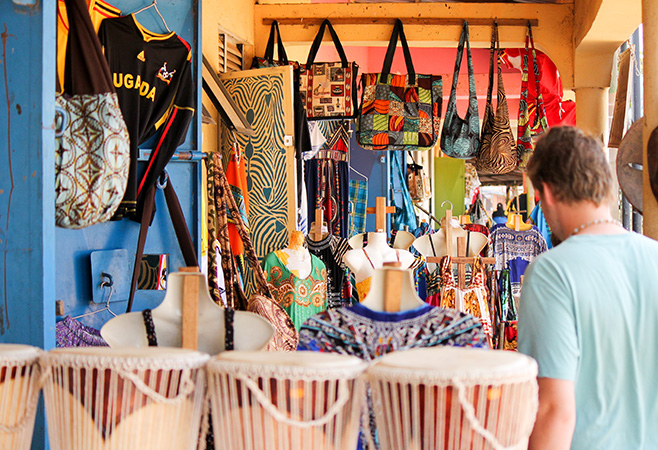 A male tourist shopping for african souvenirs Kampala, Uganda
What Should You Buy in Kampala?
With so many choices available, deciding what to purchase can be difficult. Fortunately, several products consistently stand out among international visitors.
Ugandan coffee is one of the most famous exports of the country and is a great souvenir for its flavorful taste and high quality. Handmade woven baskets are light, practical, and beautifully decorated, which makes them perfect gifts for friends and family. Bright kitenge fabrics are another favorite, available either by the meter or as ready-made clothing and accessories.
Local craftsmen display their amazing skills in wood carvings of wildlife, traditional masks and decorative home items. Beaded necklaces, bracelets and earrings make inexpensive souvenirs that are easy to pack and show off the vibrant artistic culture of Uganda.
Discover Kampala's Modern Shopping Malls
The best places to experience Uganda’s cultural heritage are traditional markets, but if you are looking for something a bit different, then you will find air-conditioned stores, supermarkets, restaurants, cafés, cinemas, and international retailers in modern shopping centers. If you like the convenience of fixed prices, easy payment methods and a comfortable place to rest after a day of sightseeing, these malls are perfect.
Acacia Mall, located in Kisementi on Cooper Road, is a major modern shopping centre with fashion retailers, electronics stores, a Carrefour supermarket, restaurants, cafés, and a cinema. The mall regularly hosts community events and provides a pleasant atmosphere where tourists and local residents can spend several hours shopping or dining.
Garden City Complex on Yusuf Lule Road combines retail, restaurants, cafés, and entertainment near central Kampala. Lugogo Mall on Lugogo Bypass has a mix of grocery, electronics, dining, beauty, banking, and other retail services. Another worthwhile stop is Lugogo Mall, especially if you are looking for sports equipment, household goods, and supermarkets that offer a mix of locally produced foods and imported products.
Whether you choose a traditional market or a Kampala shopping mall, both provide valuable insights into Kampala's lifestyle and demonstrate how the city successfully blends modern development with long-standing traditions.
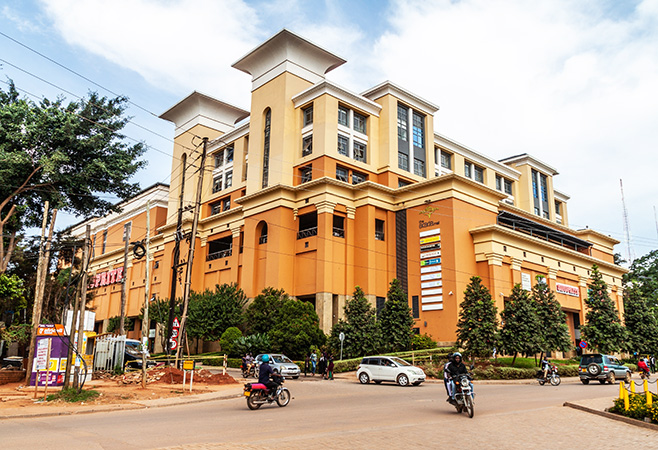 Acacia Mall in Kampala, Uganda
Local Markets or Shopping Malls: Which Is Better?
There is no single answer because each shopping option offers unique advantages.
| Option
|
Best for
|
Pricing style
|
Payment
|
|---|---|---|---|
| Traditional markets
|
Local goods, fabrics, everyday shopping
|
Bargaining may be possible
|
Cash is useful
|
| Craft centres
|
Handmade gifts and artisan products
|
Varies by seller
|
Cash/card depends on shop
|
| Modern malls
|
Brands, supermarkets, dining, entertainment
|
Mostly fixed prices
|
Cards widely used at formal retailers
|
Traditional markets are the best choice for travelers interested in authentic souvenirs, handcrafted products, and direct interaction with local artisans. Prices are usually lower than those found in shopping malls, and bargaining is part of the experience. Although markets can be busy, they reward visitors with colorful sights, lively conversations, and products that cannot be found elsewhere.
Modern shopping malls appeal to visitors who value convenience and predictability. Prices are fixed, many shops accept international credit cards, and facilities such as clean restrooms, cafés, and restaurants make shopping more comfortable. Families traveling with children or visitors seeking international brands often prefer this environment.
Many experienced travelers recommend combining both options. Spend part of your day exploring traditional markets for authentic crafts and locally produced coffee, then visit a modern mall to enjoy lunch, purchase travel essentials, or relax before continuing your sightseeing itinerary. This combination provides a complete shopping experience while allowing you to appreciate different aspects of Kampala's economy and culture.
Practical Shopping Tips
A little preparation can make your shopping experience smoother and more enjoyable.
Carry enough Ugandan Shillings, particularly when visiting traditional markets where smaller vendors may not accept electronic payments. If you plan to bargain, do so politely and respectfully. Negotiation is a normal part of local shopping culture, but maintaining a friendly attitude often leads to better prices and positive interactions.
Always inspect handmade products before purchasing them. Small differences in color, size, or design are common because many items are individually crafted rather than mass-produced. These variations often make each product more special.
Crowded markets require extra awareness. Carry only the cash you expect to use, keep valuables out of sight, and avoid displaying expensive jewellery or electronics. Use secure transport and check current travel advice before visiting busy public areas. Visiting popular markets during daylight hours generally provides the most comfortable experience for international tourists.
Market Prices and Payment Tips
One reason many visitors enjoy Shopping Kampala is that locally produced goods are often excellent value for money. Handmade bracelets, earrings, and small souvenirs are usually affordable, making them ideal gifts for friends and family. Larger woven baskets, wood carvings, and paintings vary in price depending on their size and craftsmanship.
Ugandan coffee remains one of the best purchases because of its high quality and reasonable cost. Travelers can also find colorful kitenge fabrics, leather accessories, organic beauty products, and locally made home décor at prices that compare favorably with similar products in many other countries.
Although shopping malls generally have higher prices than traditional markets, they offer greater convenience, fixed pricing, and access to international brands, allowing visitors to choose the shopping style that best matches their preferences and budget.
Plan Ahead for a Smooth Uganda Journey
Before exploring Kampala's markets and malls, international visitors should ensure they meet Uganda's entry requirements. Applying for the appropriate travel authorization before departure can help avoid unnecessary delays after arrival.
Many travelers choose Uganda Immigration Services to complete their visa application efficiently and receive clear guidance on travel requirements. Preparing your documents in advance allows you to focus on enjoying your holiday rather than dealing with administrative procedures. Once you arrive, you can spend your time discovering Kampala's attractions, tasting local cuisine, and shopping in Kampala without unnecessary stress.
FAQs About Shopping in Kampala
What is the best place for shopping in Kampala?
The best shopping destination depends on what you want to buy. Owino Market is ideal for affordable clothing and everyday goods, Nakasero Market is known for fresh produce and local coffee, while Acacia Mall and Garden City Mall are popular for international brands, restaurants, and entertainment. Many visitors combine traditional markets with modern shopping malls for the best experience.
What souvenirs should I buy in Kampala?
Some of the most popular souvenirs include Ugandan coffee, handmade woven baskets, wooden carvings, bark cloth products, kitenge fabrics, beaded jewelry, paintings, and locally crafted leather goods. These items are widely available in craft villages and local markets.
Is bargaining common in Kampala markets?
Yes. Bargaining is common in most traditional markets, including Owino Market and many souvenir stalls. Negotiate politely and respectfully, as friendly conversations often lead to better prices. Prices in shopping malls and supermarkets are generally fixed.
Can tourists use credit cards while shopping in Kampala?
Yes. Cards are accepted at many formal retailers, supermarkets, and malls, but acceptance varies by business. Carry some Ugandan Shillings for markets and smaller vendors.
Is shopping in Kampala safe for tourists?
Visitors should stay alert in Kampala’s busy shopping areas. Keep valuables secure, avoid carrying large amounts of cash, use reputable transport, and review current official travel advice before your trip. Visiting during daytime is recommended, especially for first-time visitors.
Final Thoughts
Kampala’s markets, craft centres, and malls offer different shopping experiences, from everyday local commerce to handmade crafts and modern retail. Check opening hours, payment options, security conditions, and customs restrictions before visiting or buying items to take home.
Related Articles
- Kampala Nightlife: Best Areas and Places to Explore After Dark
- Best Restaurants in Kampala: Top Places to Eat in Uganda
- Tanzania to Uganda: Complete Travel Guide for Exploring East Africa
- Solo Travel in Uganda: The Complete Guide for Independent Adventurers
- Rwanda and Uganda Travel Guide: The Ultimate East Africa Adventure
- Kenya and Uganda Safari: The Ultimate East African Wildlife Adventure
- eSIM Uganda: The Smartest Way to Stay Connected While Traveling
- Uganda People: Culture, Diversity, and Daily Life in the Pearl of Africa
- Cities in Uganda: A Complete Guide to Urban Life and Travel Experiences

 NEED HELP 24/7
 United States
  United Kingdom
  Singapore
  Viber
Viber 


