
Kasubi Tombs: The Sacred Royal Heart of Buganda Kingdom
If you’re the type who loves exploring places filled with mystery, history, and a touch of royal grandeur, then the Kasubi Tombs in Kampala, Uganda, are your perfect destination. This isn’t just another tourist stop — it’s a living piece of African heritage where kings rest, traditions breathe, and culture stands tall.
And before you start packing your camera and curiosity, remember — Before visiting Uganda, travelers should check visa requirements and apply for a Uganda eVisa if needed. So, make sure to apply for your Uganda eVisa before you go. It’s the first royal step to visiting this unforgettable site!
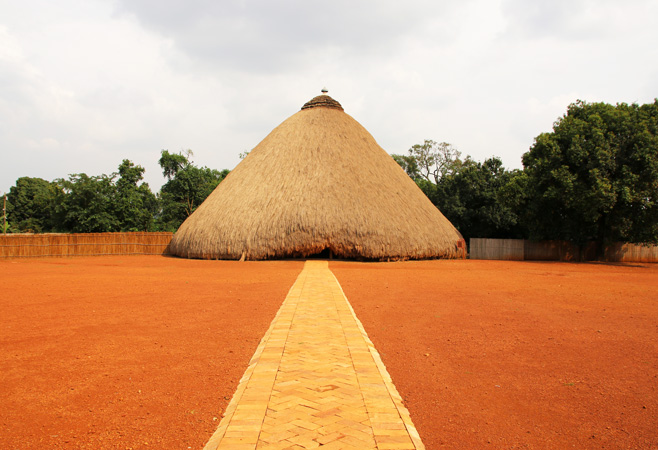 Entrance gate of Kasubi Tombs in Kampala Uganda
The History and Majesty of the Kasubi Tombs
Perched on Kasubi Hill, just a few kilometers from downtown Kampala, the Kasubi Tombs serve as the burial grounds for the kings (Kabakas) of Buganda. The site began as a royal palace built in 1882 by Kabaka Mutesa I and was transformed into a sacred tomb when he passed away two years later. Since then, three other kings — Mwanga II, Daudi Chwa II, and Mutesa II — have been laid to rest here.
The tombs are more than a historical site; they’re a deeply spiritual space that embodies the soul of the Buganda Kingdom. In 2001, UNESCO recognized the Kasubi Tombs as a World Heritage Site, calling them one of the finest examples of traditional architecture in sub-Saharan Africa.
Of course, that’s a fancy way of saying: it’s a giant, grass-thatched masterpiece built entirely from natural materials — wood, reeds, and thatch — the structure showcases remarkable traditional craftsmanship using natural materials and indigenous building techniques.
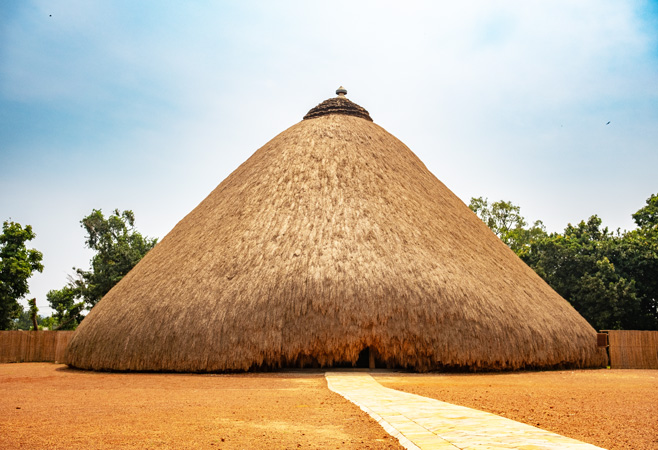 Muzibu-Azaala-Mpanga main building at Kasubi Tombs Uganda
The Architecture: A Royal Work of Art
The Majestic Muzibu-Azaala-Mpanga
The highlight of any visit to the Kasubi Tombs is the Muzibu-Azaala-Mpanga, the main tomb structure and spiritual heart of the site. Imagine a circular building topped with an enormous grass roof that looks like it could host an entire royal council meeting — and probably did!
This traditional Buganda structure isn’t just beautiful; it’s symbolic. Every beam and pillar has meaning, representing unity, continuity, and the connection between the physical and spiritual worlds. The architecture fuses functionality with spirituality — something modern architects could learn a thing or two from (no offense, skyscrapers).
The craftsmanship here reflects generations of indigenous skills passed down through the Buganda clans. When the sun hits the golden straw roof just right, it feels like the ancestors themselves are smiling down at you.
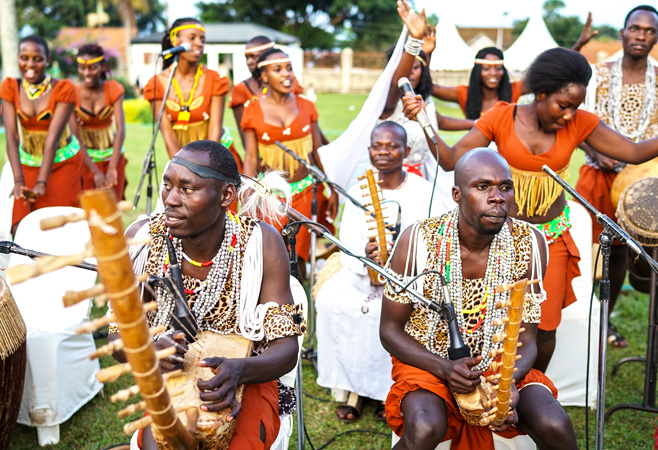 Cultural ceremony at Kasubi Tombs Uganda
A Place of Culture and Spiritual Significance
Where Tradition Lives On
Visiting the Kasubi Tombs isn’t just about seeing where kings are buried — it’s about stepping into the spiritual and cultural rhythm of Buganda life. The site remains an active place of worship and tradition. Ceremonies are still performed here, led by custodians who maintain both the sacred grounds and the rituals that honor the spirits of the departed kings.
The atmosphere is calm, reverent, and beautifully authentic. As you walk through the site, you’ll hear soft drumbeats, the distant hum of prayers, and maybe even a cheeky bird that seems to be humming along. It’s peaceful — and yet, there’s an invisible sense of energy that reminds you this place is very much alive.
You’ll also find guides ready to share stories that make history feel personal. They’ll explain how the site underwent extensive restoration efforts after a devastating fire in 2010 and how the community came together to restore their beloved site — proof that even after tragedy, culture can rise from the ashes.
How to Visit the Kasubi Tombs
Getting There
The Kasubi Tombs are conveniently located just 5 kilometers northwest of Kampala’s city center. Whether you hop on a boda-boda (motorcycle taxi), grab a private car, or join a guided tour, you’ll get there easily. The journey itself offers a glimpse of daily Ugandan life — lively streets, colorful markets, and the occasional goat crossing the road (because, well, Uganda).
Entrance Fees and Opening Hours
The entrance fee to Kasubi Tombs is quite reasonable — around 10,000 UGX (roughly $3 USD) for locals and about $5 USD for international visitors. Guided tours are usually included, and they’re well worth it. The knowledgeable guides bring the history to life with humor, pride, and storytelling flair.
The site is open daily from 8:00 a.m. to 6:00 p.m., though mornings or late afternoons are ideal for cooler weather and great photos. Remember to dress modestly — Visitors are encouraged to dress modestly out of respect for the site's cultural and spiritual significance.
* Note: Entrance fees and opening hours may change over time, so visitors should check with local tourism sources or official channels before visiting.
What to Expect
A visit typically lasts between one and two hours, depending on your curiosity level (and how many questions you ask your guide). You’ll walk through lush grounds, see traditional huts, and step into the grand main tomb where photography may be restricted for spiritual reasons.
After the tour, you can browse a small gift shop offering crafts made by local artisans — a great way to support the community and bring home a piece of Buganda culture (bonus points if you can pronounce “Muzibu-Azaala-Mpanga” correctly by the end).
Etiquette and Visitor Tips
- Be respectful. Certain areas are sacred, so follow your guide’s instructions.
- Photography. Always ask before taking pictures, especially inside ceremonial areas.
- Dress modestly. Cover your shoulders and knees — the ancestors appreciate good manners.
- Apply for your Uganda eVisa in advance to allow enough processing time before your trip.
And don’t worry — you don’t need to bow or kneel before entering the Kasubi Tombs (unless you really want to impress the spirits).
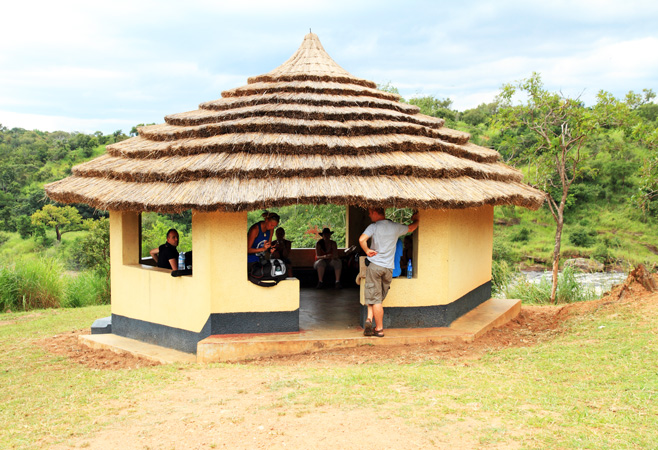 Visitors exploring Kasubi Tombs in Kampala Uganda
Why the Kasubi Tombs Are Worth Visiting
Visiting the Kasubi Tombs is like opening a living history book — except this one smells of fresh grass, drums, and incense. It’s one of those rare places where the past and present coexist seamlessly. You don’t just learn history here; you feel it.
For culture lovers, it’s a must-see. For photographers, it’s a dream. And for anyone curious about Uganda’s royal traditions, it’s an experience that will stay with you long after you’ve left Kampala.
Plus, let’s be honest — how often do you get to say, “I’ve been to a UNESCO World Heritage royal tomb complex in Africa”? It’s a memorable cultural experience and one of Uganda’s most important heritage sites.
Final Thoughts: Where Royalty Meets Resilience
The Kasubi Tombs are more than a burial site — they’re a symbol of Uganda’s strength, pride, and continuity. Through wars, fires, and changing times, the site has remained a beacon of Buganda’s enduring heritage.
As you leave the sacred grounds, you can’t help but feel a little humbled — and maybe inspired to learn more about Uganda’s fascinating culture. The spirit of the Kabakas lingers here, in the wind that rustles the thatch and the stories whispered by the guides.
So, ready to explore this royal masterpiece? Start with the simple step of applying for your Uganda eVisa, pack your curiosity, and prepare for an unforgettable encounter with the kings of Buganda. After all, at Kasubi Tombs, history doesn’t just live — it reigns.
Related Articles
- Shopping in Kampala: Markets, Malls, Crafts and Souvenirs
- Kampala Nightlife: Best Areas and Places to Explore After Dark
- Best Restaurants in Kampala: Top Places to Eat in Uganda
- Tanzania to Uganda: Complete Travel Guide for Exploring East Africa
- Solo Travel in Uganda: The Complete Guide for Independent Adventurers
- Rwanda and Uganda Travel Guide: The Ultimate East Africa Adventure
- Kenya and Uganda Safari: The Ultimate East African Wildlife Adventure
- eSIM Uganda: The Smartest Way to Stay Connected While Traveling
- Uganda People: Culture, Diversity, and Daily Life in the Pearl of Africa
- Cities in Uganda: A Complete Guide to Urban Life and Travel Experiences

 NEED HELP 24/7
 United States
  United Kingdom
  Singapore
  Viber
Viber 


