
Borders of Uganda: Geography, History, and Regional Significance
 By Axel Donovan
| Update on: Jun 24, 2026
By Axel Donovan
| Update on: Jun 24, 2026
Uganda is a landlocked country in East Africa that is sometimes called the "Pearl of Africa." Even though it doesn't have a coast, its strategic location makes it the center of trade, culture, and politics in the area. To understand how Uganda interacts with its neighbors and takes part in regional development, you need to know where its borders are.
Uganda's borders are very important for its national identity and its relations with other nations. They are used for trade, cultural exchanges, and security cooperation. This article gives a complete overview of Uganda's borders, including their geography, history, economic importance, and the problems they face. It is useful for travelers, researchers, and people from all over the world.
 North-South Border Sign - Equator in Uganda
Overview of the Borders of Uganda
Uganda shares its boundaries with five countries, making it an important hub in East and Central Africa. Five countries share a border with Uganda: Kenya, Tanzania, Rwanda, the Democratic Republic of Congo (DR Congo), and South Sudan.
These border countries of Uganda define its regional connections:
- Kenya to the east
- Tanzania to the south
- Rwanda to the southwest
- DR Congo to the west
- South Sudan to the north
The borders of Uganda are thousands of kilometers long. They include both land and water borders, especially around Lake Victoria. This lake, which is one of Africa's biggest bodies of freshwater, is an important part of Uganda's southern border with Tanzania and Kenya.
Travelers and businesses need to know what countries border Uganda because these borders are important for trade, tourism, and migration.
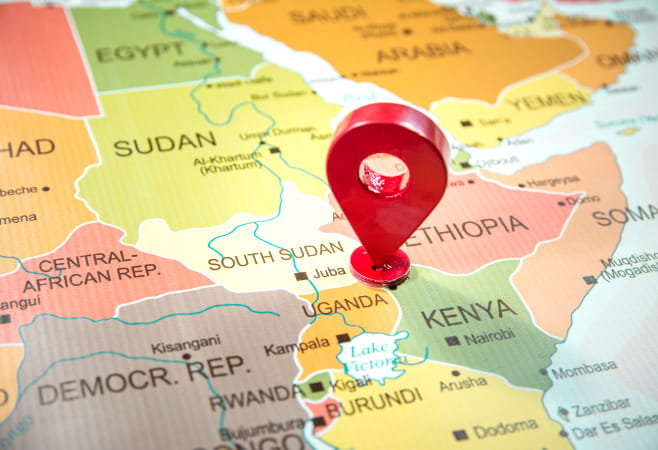 Uganda map
Historical Background of Uganda’s Borders
The British Empire had a big impact on Uganda's current borders during the colonial period. In the late 1800s and early 1900s, European colonial powers drew artificial borders across Africa, often without considering ethnic or cultural boundaries.
These colonial borders were mostly kept after Uganda became independent in 1962 to avoid conflicts between regions. But there were times when tensions rose, especially in areas near the borders with other countries.
The history of Uganda's borders is part of a larger story about Africa, including colonial history, post-independence peace efforts, and ongoing cooperation between countries in the region.
Key Border Regions
Uganda – Kenya Border
The border between Uganda and Kenya on the east side is one of the busiest in the area. It makes it simpler for people and goods to move around and trade. Malaba and Busia are two of the most important economic hubs in the region.
This section of the border of Uganda is known for its strong economic ties and relatively stable diplomatic relations.
Uganda – Tanzania Border
Lake Victoria partly marks the southern border. This shared water resource makes it easier for people to work together on fishing, transportation, and taking care of the environment.
The border countries Uganda shares with Tanzania highlight the importance of natural resources in shaping boundaries.
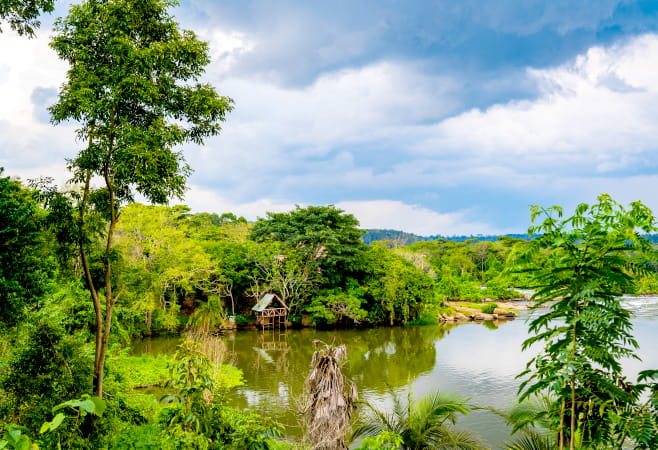 The Republic of Uganda borders Tanzania to the south, and the southern part includes part of Lake Victoria
Uganda – Rwanda Border
In the past, this border has seen both cooperation and political tension. It is in the southwest. It is an important road for tourists and companies between the two countries.
Despite occasional disputes, this part of the borders of Uganda remains essential for regional connectivity.
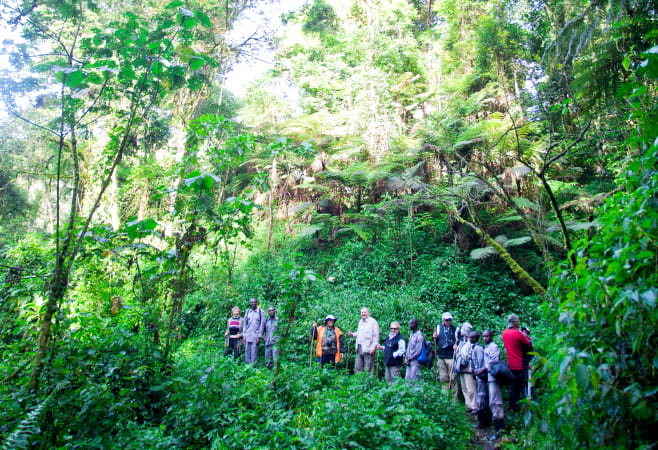 Unidentified tourists on gorilla trekking in the African rainforest in Bwindi Impenetrable Forest National Park, at the borders of Uganda, Congo and Rwanda
Uganda – DR Congo Border
The western border with the Democratic Republic of Congo is one of the most complex. It includes areas near the Rwenzori Mountains and dense forests.
This area has been affected by security issues, such as armed groups. Even so, it is still an important place for trade and resource exchange between Uganda's neighboring countries.
Uganda – South Sudan Border
Uganda shares a border with South Sudan to the north. South Sudan is the world's youngest country. This border is important for helping people because Uganda has many refugees from South Sudan.
The dynamics of this region illustrate the humanitarian and political dimensions of the borders of Uganda.
Economic Importance of the Borders of Uganda
Uganda's borders are very important to the country's economy. Uganda is a landlocked country, so it relies a lot on trade with other countries to get to international markets.
Key benefits include:
- Trade routes that lead to ports in Kenya and Tanzania
- Cross-border markets supporting local economies
- Participation in the East African Community (EAC)
The countries that share a border with Uganda work together to make a network that helps the economy grow and the region come together. To keep this flow of goods and services going, good border management is very important.
Security and Challenges
The borders of Uganda offer business chances, but they also make things harder:
- Illegal smuggling and trafficking
- Cross-border crime
- Armed conflicts in neighboring regions
- Refugee influx from conflict zones
The government is still working with countries that border Uganda to make the country safer and promote peace.
Cultural and Social Connections
The lines that separate Uganda are not just political; they are also places where people from different cultures can meet. Many ethnic groups live on both sides of the border and share languages, traditions, and family ties.
These cultural ties between the countries that border Uganda help bring people together and help them understand each other better, even in places where there are political tensions.
Cross-border marriages, festivals, and trade help make a strong regional identity that goes beyond national borders.
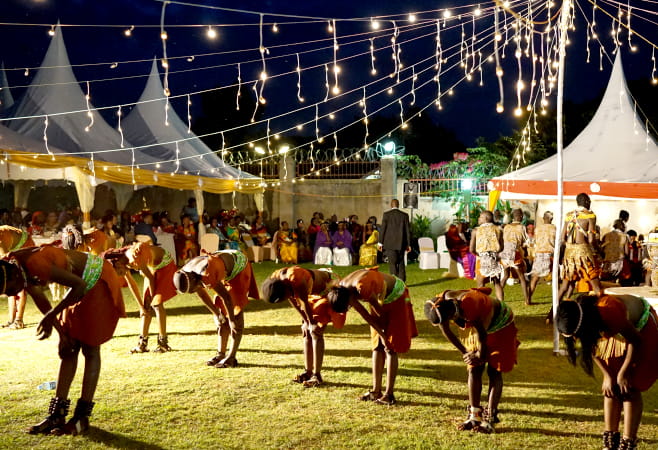 Local performers in Uganda sing, dance and play traditional music at the wedding event
Environmental Aspects
Natural features play a significant role in defining the borders of Uganda. Lake Victoria, rivers, and mountain ranges not only shape boundaries but also support biodiversity.
Several national parks and conservation areas extend across borders, requiring cooperation among the border countries Uganda shares.
Deforestation, protecting wildlife, and managing water are all environmental problems that show how important it is to work together.
Travel and Visa Information
If you want to visit Uganda and the areas around it, knowing where Uganda's borders are can make your trip better. You need the right papers to cross into Kenya, Rwanda, or Tanzania.
Travelers can check visa requirements and apply for eligible travel authorization through the Uganda Immigration website or an authorized visa support platform. Professional support may help applicants prepare documents more accurately and understand current entry requirements.
This is especially helpful for people who want to visit more than one border country in Uganda. Early visa preparation can help travelers plan multi-country trips across East Africa more smoothly.
Conclusion
The borders of Uganda are more than just lines on a map; they are living spaces that affect trade, culture, security, and cooperation between regions. These borders define Uganda's role in East Africa, from its historical roots to its current economic importance.
Travelers, researchers, and policymakers can learn a lot about how Uganda is connected to its neighbors by learning about its borders. As Uganda grows, its borders will continue to be important for its growth and integration into the region.
Whether you are studying geography or planning a journey, the borders of Uganda offer a fascinating lens through which to explore the complexities of Africa’s interconnected landscape.
Related Articles
- Shopping in Kampala: Markets, Malls, Crafts and Souvenirs
- Kampala Nightlife: Best Areas and Places to Explore After Dark
- Best Restaurants in Kampala: Top Places to Eat in Uganda
- Tanzania to Uganda: Complete Travel Guide for Exploring East Africa
- Solo Travel in Uganda: The Complete Guide for Independent Adventurers
- Rwanda and Uganda Travel Guide: The Ultimate East Africa Adventure
- Kenya and Uganda Safari: The Ultimate East African Wildlife Adventure
- eSIM Uganda: The Smartest Way to Stay Connected While Traveling
- Uganda People: Culture, Diversity, and Daily Life in the Pearl of Africa
- Cities in Uganda: A Complete Guide to Urban Life and Travel Experiences

 NEED HELP 24/7
 United States
  United Kingdom
  Singapore
  Viber
Viber 


